LaSalle Street gets some “swank.”
For decades, the Field Building at 135 South LaSalle was the kind of place that made downtown Chicago feel powerful, serious and more than slightly averse to free time.
It was built in 1934, a 44-story Art Deco giant by Graham, Anderson, Probst & White, the legendary firm tied to Chicago’s Burnham architectural lineage (talk about having fame in your DNA). It was designated a Chicago Landmark in 1994. It has limestone confidence, banking-hall drama and the emotional range of a building that has seen several recessions and still looks better than most of us after long years at work.
Now comes the twist.
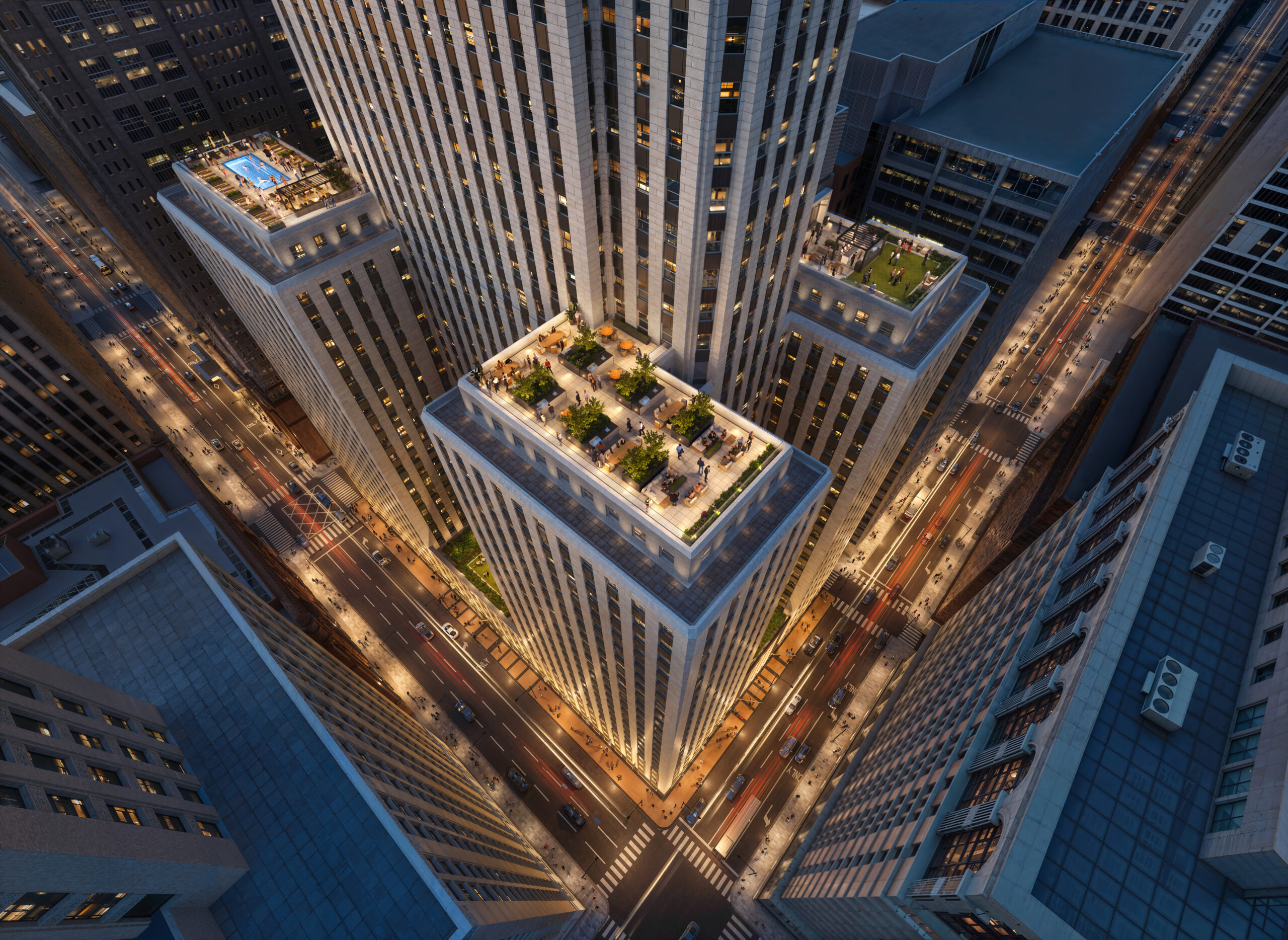
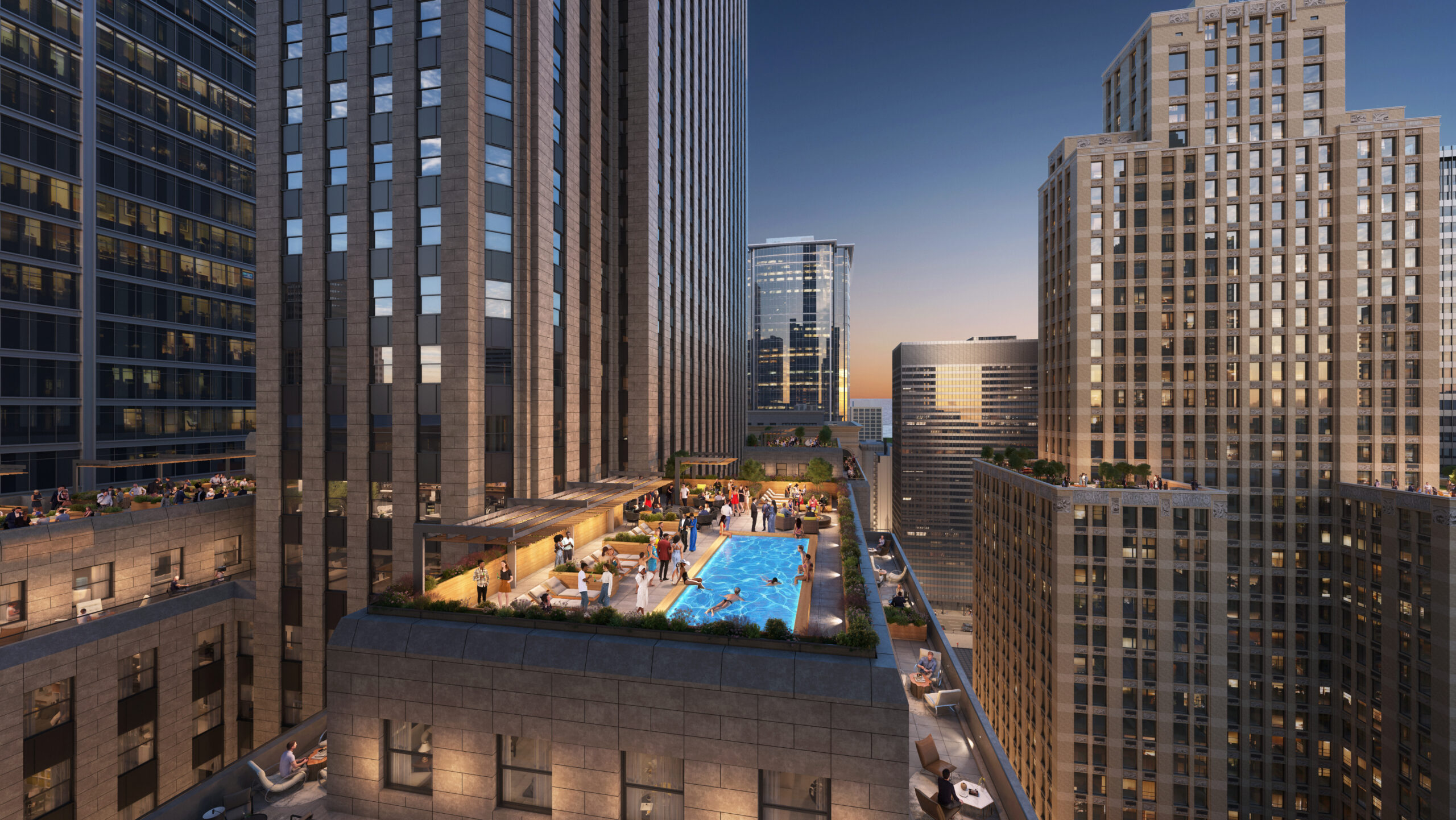
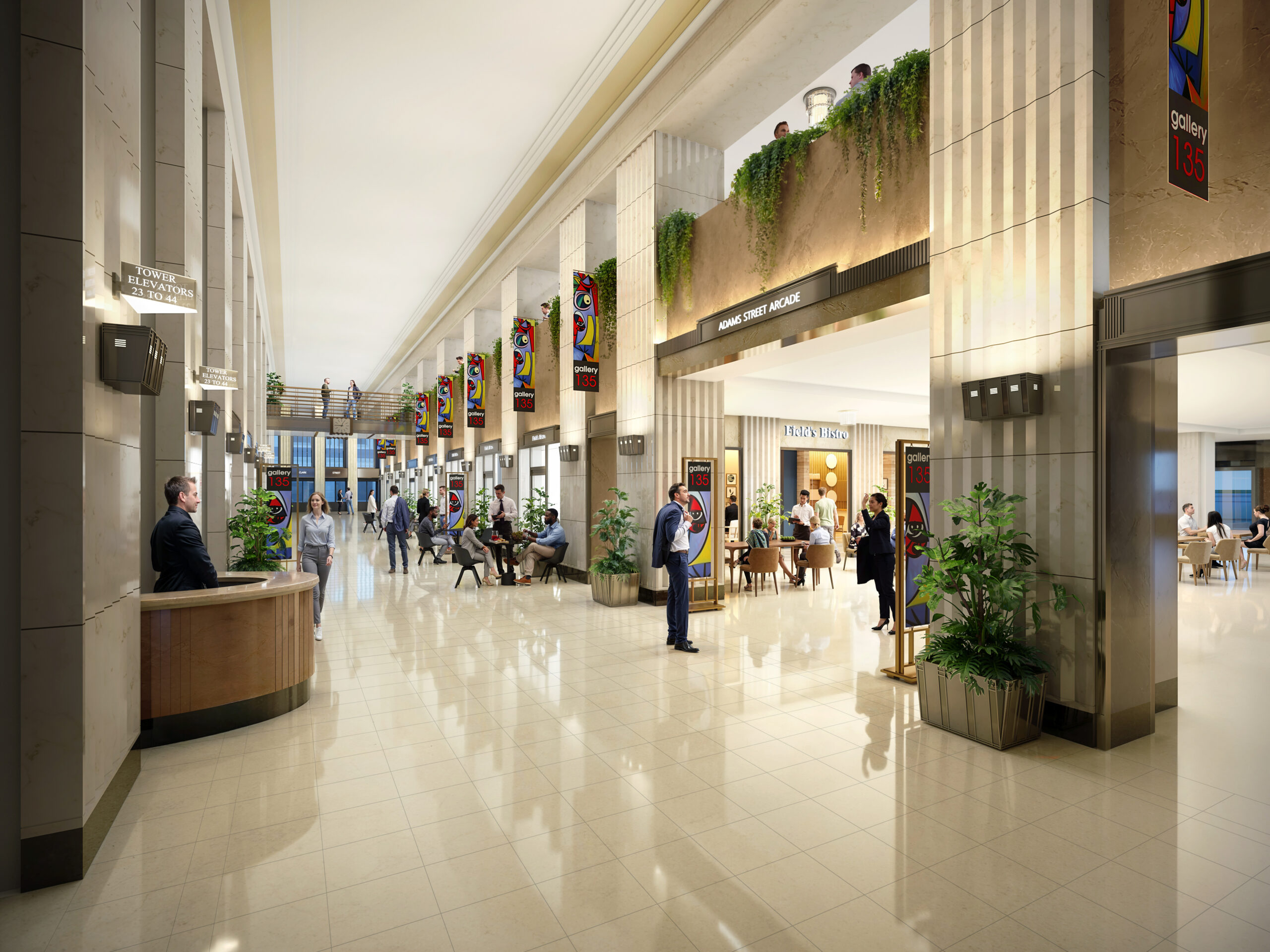
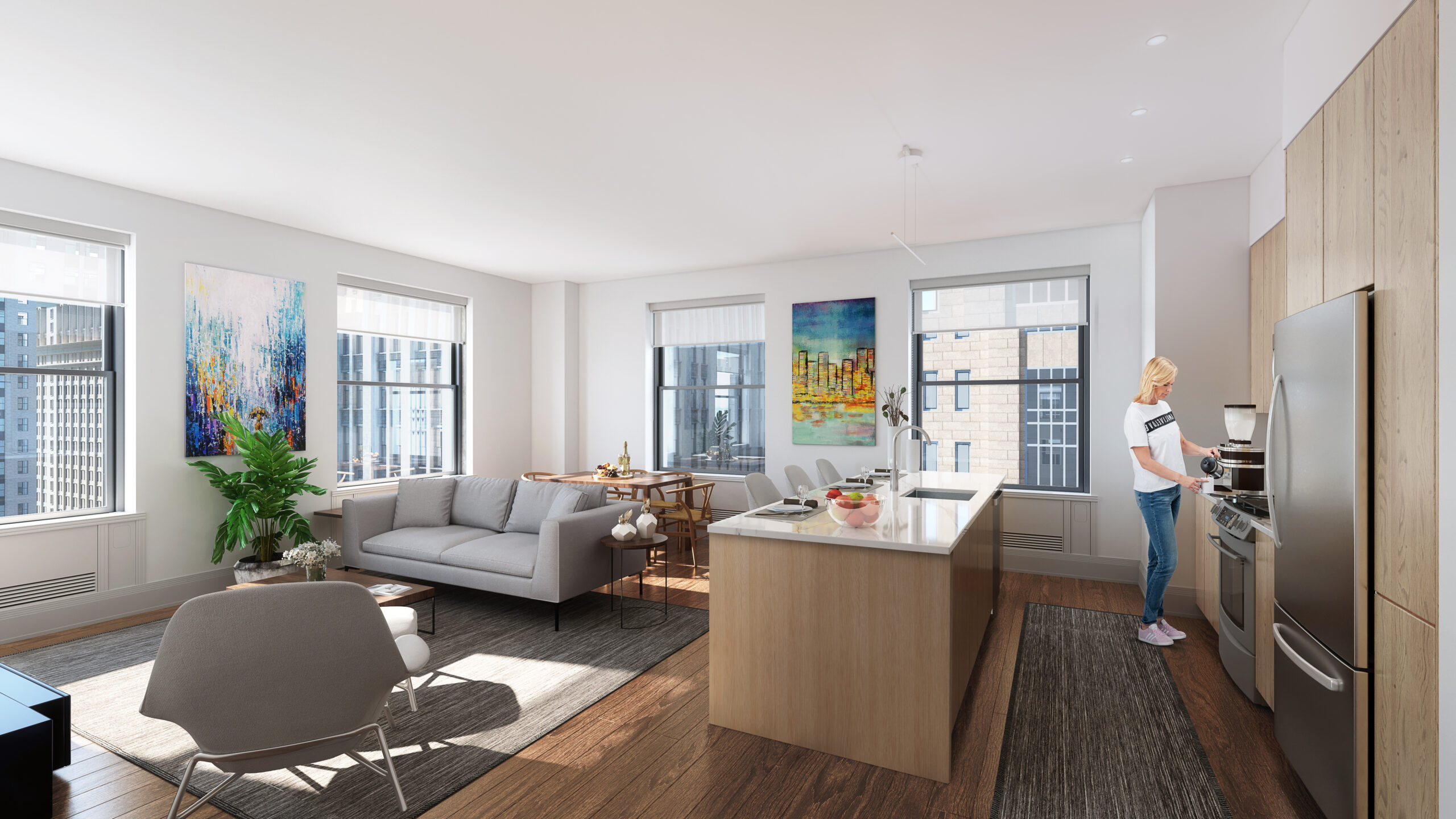
The Field Building is being rapidly converted into 386 apartments, including 116 affordable units, with 92,000 square feet of commercial space planned for uses like retail, fitness, medical office and possibly a small-format grocer. The redevelopment is expected to transform roughly 624,000 square feet of vacant office space, with residential units.
Translation: old LaSalle is getting residents, groceries, rooftop energy and probably at least one person in linen pants saying, “Let’s meet downstairs for a drink.”
This is not a cosmetic refresh. This is a 200+ million reinvention backed by TIF support, historic tax credits and a development team that clearly looked at one of Chicago’s great financial monuments and thought: what if people actually lived here?
The players matter. Riverside Investment & Development, AmTrustRE and DL3 Realty are leading the project, with SCB handling the design. That is a serious table of people making a serious bet on a corridor many people had already filed under “fond memory with good facades.”
And our city is not just betting on one building.
The Field Building is part of LaSalle Street Reimagined, the city’s push to turn a historically office-heavy financial corridor into a mixed-use district with housing, retail and actual life after 5PM. Earlier rounds of the initiative advanced several other conversion projects, representing more than 1,000 housing units and more than $500 million in planned redevelopment activity. The Field Building has since emerged as the biggest, loudest, most Art Deco exclamation point in the whole effort.
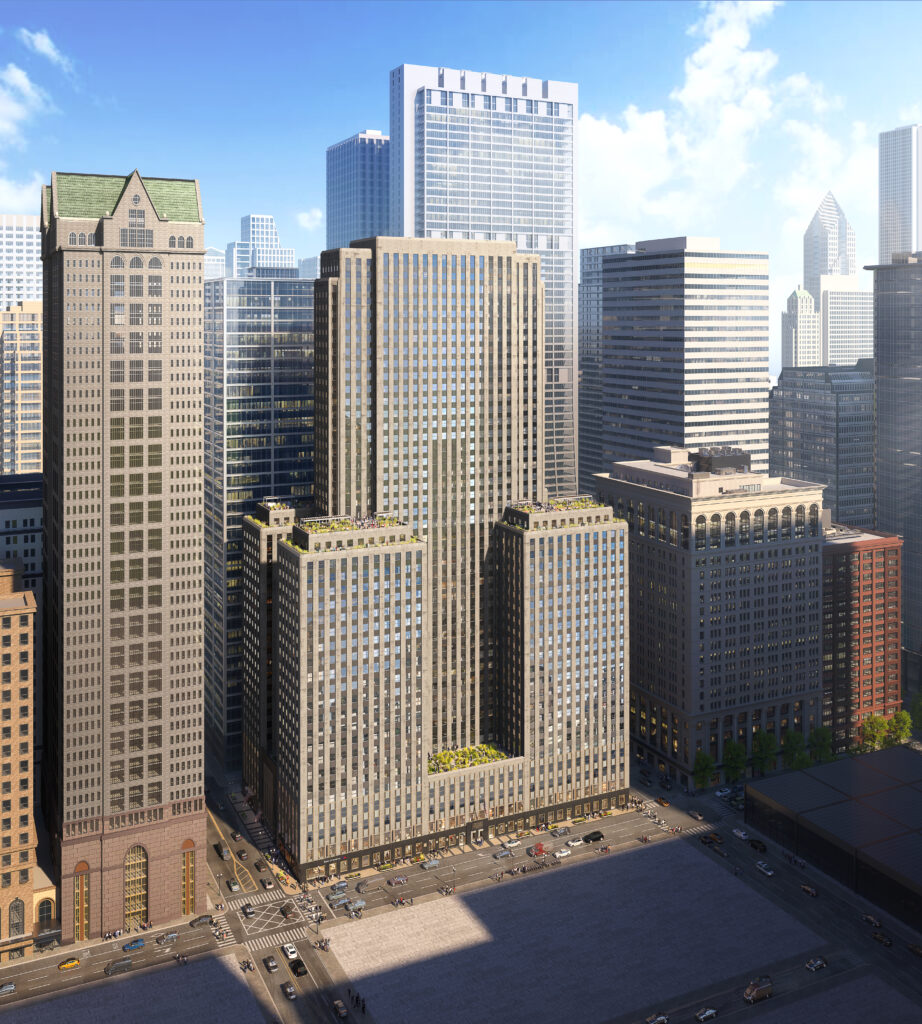
This is why the project matters beyond its address.
LaSalle Street has never lacked architecture. It has never lacked history. It has never lacked a sense of importance. What it lacked, increasingly, was daily human messiness. Residents walking dogs. Someone buying oranges from a mini-market. A lobby that has to think about packages, not just portfolios.
That is the difference between a district and a neighborhood. And yes, the rooftop pools matter too. Not because pools will save downtown, but because they symbolize something almost absurdly new for this part of the Loop: leisure. Comfort. Staying more than a while and living vertically inside a former financial fortress.
Imagine explaining that to pre-COVID LaSalle Street.The Field Building used to help define Chicago as a place of work. Now it may help define the next version of downtown as a place of life. That is not a small thing. That is the canyon learning a new language.
And honestly, it sounds better already.